
English| EUR
Suggested for you
More currencies
Choose a language
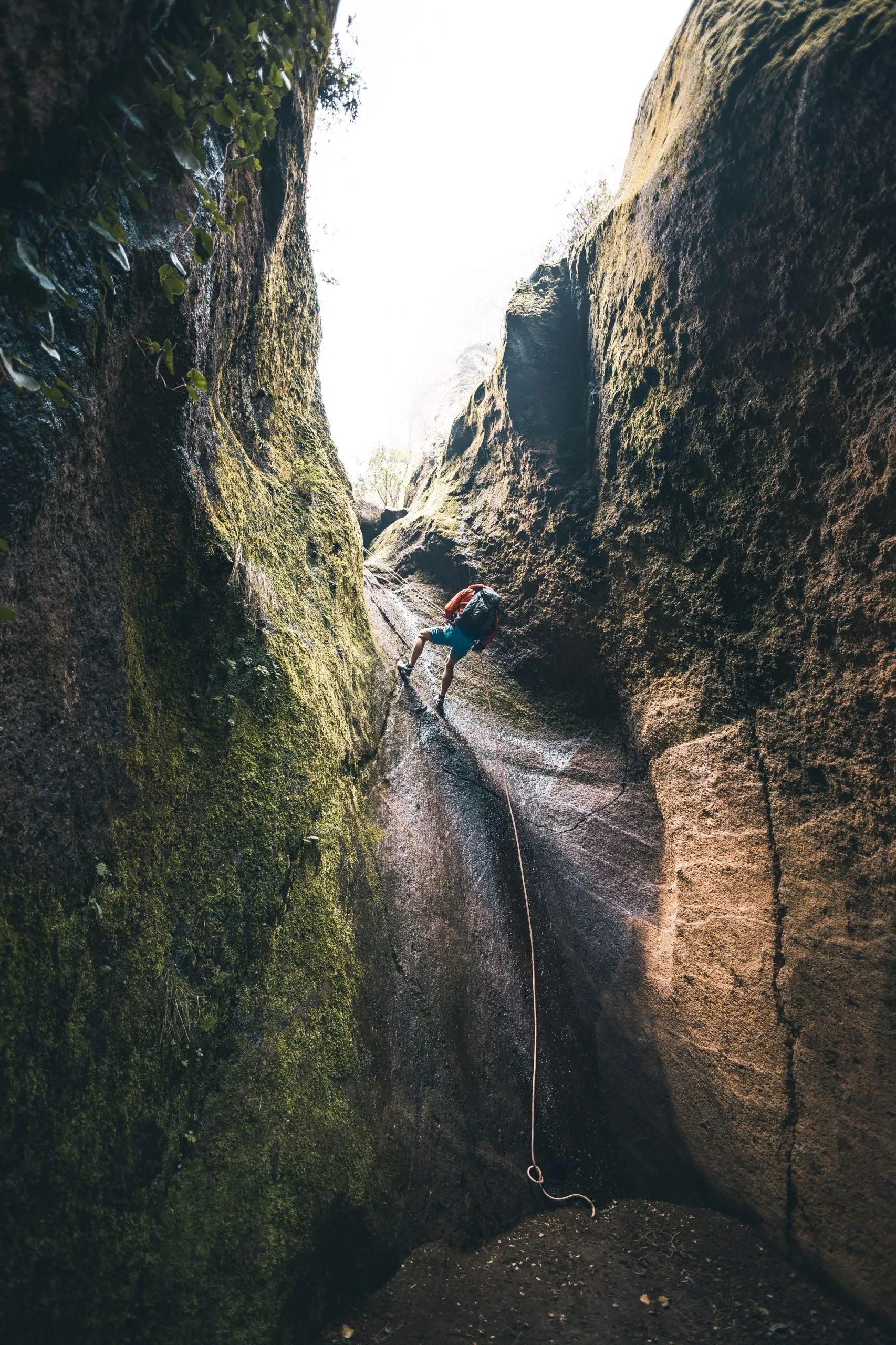
Barranco de los Arcos sits in the northern highlands of La Orotava, a narrow gorge carved through volcanic basalt where water flows year-round and abseils drop into pools shaded by laurel forest. This guide covers access, timing, and the conditions that shape every descent through one of Tenerife's most technical canyons.
Quick answer
Canyoning la orotava tenerife operates daily from 00:00 to 23:59 as a public natural area with free entry, though guided tours are strongly recommended due to the technical nature of the descent. The best arrival window is 08:30 to 12:00 for optimal light penetration into the gorge, cooler temperatures during rappels, and stable weather before afternoon cloud buildup. The canyon is located at Barranco de los Arcos (also known as Chimoche) in La Orotava, accessible via mountain roads from the TF-21 highway.
Barranco de los Arcos drops 300 vertical meters through a sequence of waterfalls, narrow chutes, and rappel stations that require ropes, harnesses, and anchor knowledge uncommon in recreational hiking. The basalt walls are slick with algae year-round, and the water temperature hovers near 14°C even in summer, cold enough to demand full wetsuits and neoprene gloves for descents that last three to five hours depending on group size and skill. Most parties approach canyoning la orotava tenerife through outfitters that supply technical gear and certified guides familiar with anchor placements and escape routes, since the gorge offers few exit points once the descent begins. The canyon's reputation stems from its commitment: after the first major rappel, retreat becomes impractical, and weather shifts in the highlands can raise water levels within an hour. Morning starts reduce exposure to afternoon convective storms that sweep the north slope of Teide, and early light reveals holds and ledges obscured later by shadow. The upper section threads through laurel forest where tree roots reinforce the canyon walls, then opens into a series of vertical drops over polished stone. The longest rappel measures 35 meters into a plunge pool enclosed by overhanging rock, a section that holds mist even on clear days. Downstream, the gorge widens briefly before narrowing again into a slot canyon where jumps and slides replace rappels, ending at a final 20-meter abseil into the lower valley. Local guides reference the canyon by two names: Barranco de los Arcos for the natural stone arches visible from the rim, and Chimoche for the indigenous Guanche term that predates Spanish settlement. Both refer to the same watercourse, and both appear on trailhead signs and tour operator itineraries. The route remains accessible throughout the year, though winter rains increase flow rates and summer droughts expose more rock, altering the character of each pitch without closing the descent.
“After the first major rappel, retreat becomes impractical, and weather shifts in the highlands can raise water levels within an hour.”
The best arrival window for canyoning in La Orotava is 08:30–12:00. Starting during these hours ensures optimal natural light, effective heat management, and safer navigation of shifting weather conditions in the canyon.
Clear, 18°C–24°C
Stable conditions provide reliable water levels and light for navigation.
Mild, 19°C–25°C
Reduced humidity and pleasant temperatures favor longer canyoning sessions.
—
Visiting on weekdays minimizes congestion at technical obstacles and narrow passages.
Verdict: The optimal time to visit is a weekday morning between 08:30 and 12:00 during the months of May, June, September, or October.
The Barranco de los Arcos and Chimoche canyons are natural public areas, allowing access throughout the week. Visitors may enter at any time during the day.
The canyoning zone of Barranco de los Arcos/Chimoche is located in the higher elevations of La Orotava, Tenerife. Access requires navigating mountainous terrain, making a private vehicle the most practical approach for reaching the trailheads near the forested areas.
TF-21 road to La Orotava area
TITSA Line 345 or 348 to La Orotava
Forest trails from designated parking
Parking options are limited to informal clearings near the forest track heads; verify local regulations before leaving your vehicle to ensure it does not block emergency access routes.
La Orotava's canyons demand specific gear and early coordination with a certified guide.
Everything you need to know about canyoning la orotava tenerife
Many routes in this area accommodate various skill levels, but participants should have a reasonable level of physical fitness for water-based activities. Guided excursions help ensure safety while navigating the rugged volcanic terrain. Always verify current trail conditions before planning your descent.
The entrance fee is 0 EUR, as this is a public natural area. While access to the site itself is free, participating in organized sessions typically involves costs for professional guidance and technical equipment. Please note that no tickets are required for the natural space itself.
Early morning, specifically the window between 08:30 and 12:00, is recommended for this Tenerife adventure. Starting early helps manage heat, provides optimal natural light, and accounts for potential weather shifts in the higher altitudes. This timing allows for a safer and more enjoyable experience in the gorge.
Visitors must respect the natural environment by following local conservation guidelines and staying on marked paths. Because this is a protected area, large groups may require coordination to avoid environmental impact. Always check for any seasonal closures or environmental warnings issued by local authorities.
While the area is a public natural space, navigating complex canyons involves technical skills and specific safety gear. For most individuals, booking a guided tour with experienced instructors is the standard way to ensure safety and proper navigation. Professional guides provide the necessary technical equipment and regional expertise for these Tenerife landmarks.
Safety gear typically includes a helmet, harness, and specialized footwear suited for slippery, wet rock surfaces. A wetsuit is also often necessary, depending on the water temperature and duration of the excursion. Professional guides provide this technical gear as part of their service packages for your canyon descent.