English| EUR
Suggested for you
More currencies
Choose a language
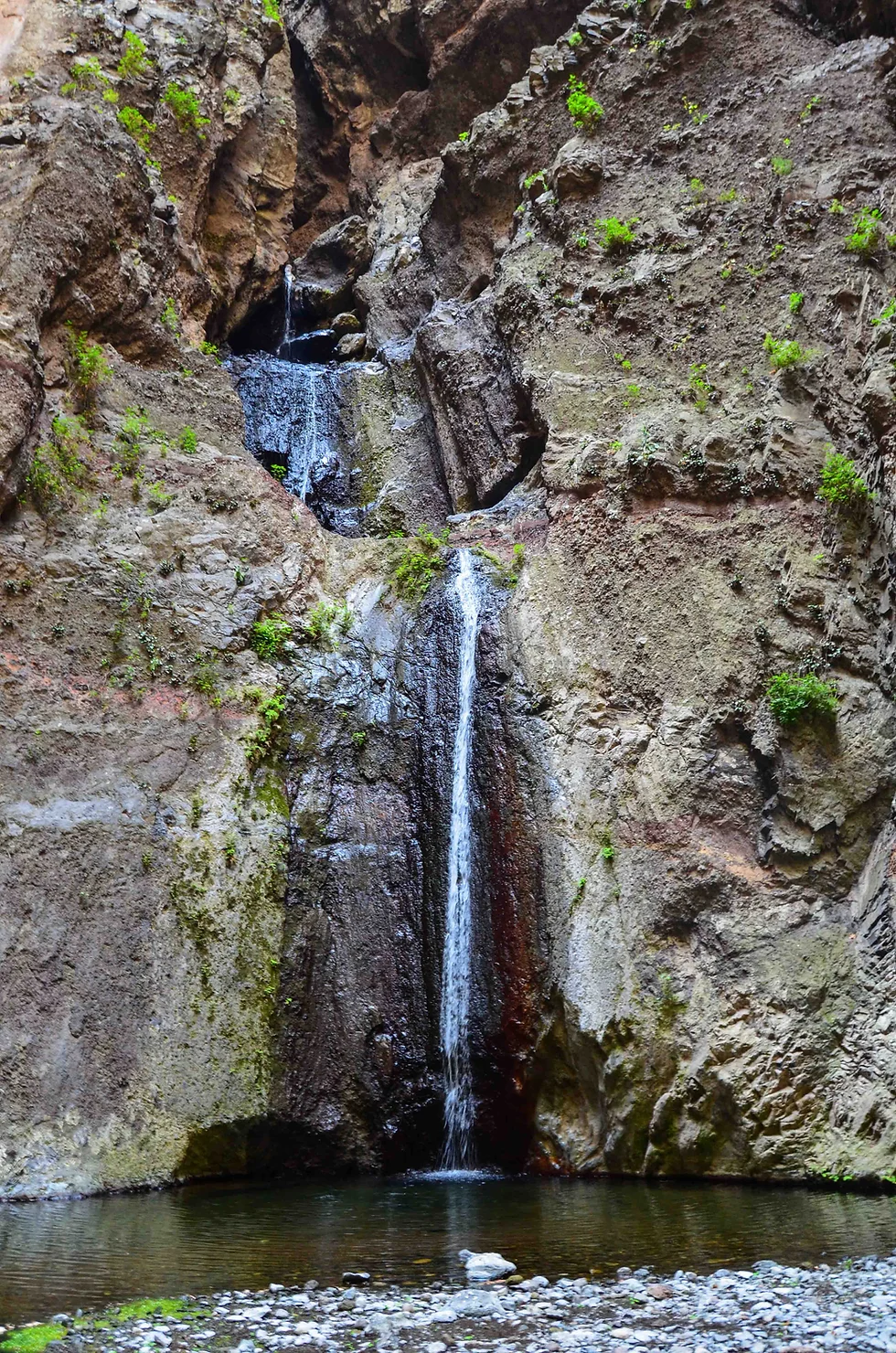
Tenerife's volcanic geography carved deep barrancos—ravines that descend from cloud forest to coast through narrow slots, waterfalls, and polished basalt pools. Water canyoning here combines rappelling, scrambling, and swimming through these natural corridors. This guide covers route options, safety protocols, and how to book a descent.
Quick answer
Water canyoning Tenerife takes place in natural ravines across the island and requires participation in a paid guided tour; the ravines themselves have no entrance fee. Most descents last three to five hours and involve rappelling down waterfalls, navigating rocky pools, and scrambling through narrow gorges. Tours typically meet between 08:30 and 10:00 to maximize daylight and safe conditions. All technical equipment is provided by operators, but participants must meet minimum age and fitness requirements.
Tenerife holds more than forty documented barrancos suitable for technical descent, most concentrated in the Anaga massif and the Teno range. These ravines were shaped by seasonal flash floods cutting through layers of basalt, phonolite, and volcanic tuff over millennia. The result is a network of narrow canyons with waterfalls ranging from three to thirty meters, punctuated by pools deep enough to require swimming. Canyoning routes here are graded by technical difficulty, water volume, and escape options. Beginner descents like Barranco del Río or Los Carrizales involve short rappels and wide corridors with multiple exit points. Advanced routes such as Barranco de Masca or Barranco de Badajoz demand multi-pitch rappels, sustained swimming, and commitment—once you pass certain constrictions, retreat becomes impractical. Water flow varies dramatically by season: winter and spring bring higher volume and colder temperatures, while summer and autumn offer warmer water but reduced flow in some ravines. All descents require a certified guide, full wetsuit, helmet, harness, and descender. Operators provide this gear as part of the tour package. Participants must be comfortable in water, able to swim at least fifty meters, and capable of moderate physical exertion for several hours. Most operators set a minimum age of twelve to fourteen, and some routes require prior canyoning experience. The volcanic rock is abrasive, so neoprene gloves and closed-toe water shoes with ankle support are standard issue. The ravines are public land with no gated access, but independent descent without proper training and equipment is both illegal under regional safety regulations and genuinely dangerous. Anchors are fixed at most rappel stations, but conditions change after storms—rock fall, anchor degradation, and flash flood risk require current local knowledge. Booking through a licensed operator ensures compliance with insurance requirements and access to up-to-date route conditions. Tours include transportation from coastal towns, safety briefings, and post-descent debriefs, making the experience accessible even to first-time canyoneers who meet the baseline fitness standard.
“Tenerife holds more than forty documented barrancos suitable for technical descent, most concentrated in the Anaga massif and the Teno range.”
Access to the natural ravines in Tenerife is free of charge. Participation in canyoning activities requires booking a professional guided tour to ensure safety and equipment provision.
Verdict: While canyon access is 0 EUR, visitors pay for professional guided tours which vary based on the specific route and operator selected.
Water canyoning takes place in natural ravines located across Tenerife, Canary Islands. Reaching these remote trailheads requires reliable transport to meet your guided tour group on time.
TF-1 or TF-5 highways to designated trailhead meeting points
Titsa local lines to nearest mountain villages
Direct transfer to specific ravine access roads
The best arrival window is 08:30–10:00 to align with guided tour meeting schedules and ensure adequate daylight for your excursion.
Water canyoning requires specialized gear and moderate fitness to navigate wet, rocky terrain safely.
Natural ravines in Tenerife are accessible at all times, though guided canyoning tours operate according to specific professional schedules. Booking availability for these excursions remains open throughout the week.
Everything you need to know about water canyoning tenerife
The optimal window for these activities is between 08:30 and 10:00 to ensure sufficient daylight and alignment with guide schedules. Planning your arrival during this period helps you maximize safety and group coordination for your water canyoning tenerife experience.
Natural ravines in Tenerife are accessible to the public, meaning there is 0 EUR in entrance fees to enter these geological sites. However, you should note that independent access to technical ravines may require specific local permits or specialized safety knowledge.
While some routes offer beginner-friendly sections, water canyoning tenerife generally requires a good level of physical fitness and comfort in aquatic environments. It is recommended to check specific tour difficulty ratings to determine if a route is appropriate for your younger family members.
Safety is paramount when navigating Tenerife gorges, so you will need a helmet, harness, and professional-grade ropes provided by your excursion company. Wearing appropriate footwear with good grip is essential for traversing wet rocks and slippery canyon terrain.
Guided tours are highly recommended because experts provide the necessary safety equipment and knowledge of the terrain's unpredictable conditions. Utilizing a professional service ensures you stay on marked paths while enjoying your water canyoning tenerife adventure safely.
Most ravines are located in remote natural areas across the island, so renting a car is often the most practical method for reaching the meeting points. Once you book a professional session, your guide will typically provide precise coordinates and transport advice for your chosen location.